

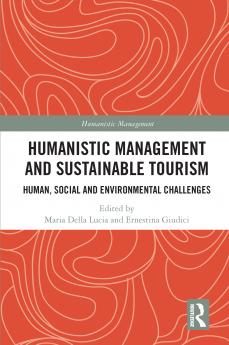

This Book is Out of Stock!
English


Paperback
₹4749
₹5924
19.83% OFF
(All inclusive*)
Delivery Options
*COD & Shipping Charges may apply on certain items.
Review final details at checkout.
Looking to place a bulk order? SUBMIT DETAILS

Piracy-free

Assured Quality

Secure Transactions
About The Book
Description
Author
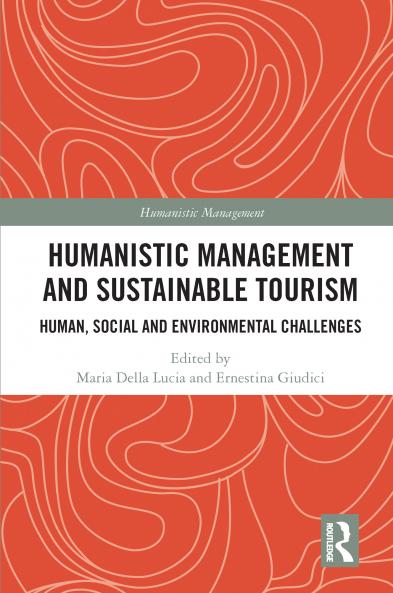
<p>Tourism is a fast-growing and changing industry which has become a driver of economic development in both developed and underdeveloped countries. While the tourism industry’s potential for shared value creation and sustainable development is acknowledged the concerns around the environmental and social pressures remain a challenge for businesses organizations and destinations. This is because sustainable tourism arguably conflicts with the predominant neoliberal structure of the economy and with the hierarchical profit- and consumption-driven societies. The emphasis on competition growth and profitability may undermine economic viability itself by consuming unreproducible resources and by undermining the six essential elements—dignity people prosperity social justice planet and partnership—that are conceptually linked to sustainable development. The crises recurrently challenging the global travel and tourism environment including climate change bushfires extreme weather disasters pandemics and the financial crisis show the weaknesses of neoliberal approaches and the collective economic dependency of countries on tourism that is vulnerable if not completely unsustainable. This vulnerability asks for understanding that the collective future depends on developing entirely new approaches and interpretation of tourism to effectively respond to the human societal social and climate challenges.</p><p>This book offers a novel and original perspective entailing the application of a humanistic management approach to sustainable tourism which is centered on the value of human life the protection of human dignity and the promotion of well-being. Multiple theoretical approaches methods and practical cases on an international scale shed light on shared value creation and human dignity as a necessary condition for its achievement in different contexts. Implicitly and explicitly they respond to the current urgency to implement strategies to recover from the worldwide impact of the pandemic crisis and to provide a vision of what tourism could and should be when it recovers. It will be of interest to researchers academics professionals and postgraduates in the fields of management sustainability and tourism development.</p>
Piracy-free
Assured Quality
Secure Transactions
*COD & Shipping Charges may apply on certain items.
Review final details at checkout.
₹4749
₹5924
19% OFF
Paperback
Out Of Stock
All inclusive*
Details
ISBN 13
9780367623371
Publication Date
-29-08-2022
Pages
-304
Weight
-414 grams
Dimensions
-151.89x229.11x16.22 mm
