



This Book is Out of Stock!
English


Paperback
₹4320
₹5332
18.98% OFF
(All inclusive*)
Delivery Options
*COD & Shipping Charges may apply on certain items.
Review final details at checkout.
Looking to place a bulk order? SUBMIT DETAILS

Piracy-free

Assured Quality

Secure Transactions
About The Book
Description
Author
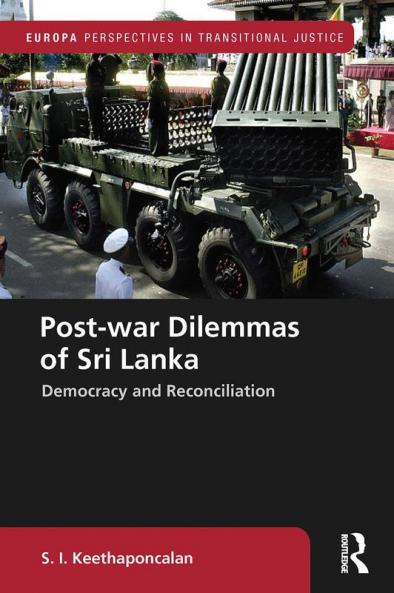
<p>By investigating Sri Lanka as a case study this book examines whether democracy compared to authoritarianism is conducive to post-war reconciliation. The research founded on primary as well as secondary data concludes that political systems have little to do with the success or failure of post-war ethnic reconciliation. The Sri Lankan case indicated that post-war reconciliation is more contingent on the readiness of the former enemies to come together. Readiness stems from for example satisfaction in the way issues have been resolved confidence in the other party's intentions and the compulsion to coexist. If the level of satisfaction confidence and the compulsion to coexist are low the readiness to reconcile will also be low.</p><p></p><p>The end of the war had a profound impact on post-war governance and ethnic relations in Sri Lanka. Hence the volume provides an in-depth analysis of the factors that led to the military victory of the Sri Lankan government over the Liberation Tigers of Tamil Eelam (LTTE) in 2009. The chapters delve into the nexus between governance and reconciliation under the first two post-war governments. Reconciliation did not materialize in this period. Instead new fault-lines emerged as attacks on the Muslim community escalated drastically. This book provides a comprehensive analysis of the nature of relations between the Sinhalese and Muslims and the Tamils and Muslims as well as the nature and causes of post-war anti-Muslim riots. </p><p></p>
Piracy-free
Assured Quality
Secure Transactions
*COD & Shipping Charges may apply on certain items.
Review final details at checkout.
₹4320
₹5332
18% OFF
Paperback
Out Of Stock
All inclusive*
Details
ISBN 13
9780367660345
Publication Date
-30-09-2020
Pages
-184
Weight
-270 grams
Dimensions
-156x234x10.05 mm
